Washington Hotels
 Hotel Gracery

New Year’s Eve in Kyoto: 3 Must-Visit Spots for Hatsumode
From New Year’s Eve to New Year’s Day, Kyoto is wrapped in an even more sacred atmosphere than usual. Welcoming the new year with “hatsumode” in the ancient capital—where centuries of history and tradition shape the air—is a truly special experience. Kyoto is home to many long-established shrines, making it an ideal place to spend the turning of the year.
In this guide, we introduce three of the most popular and easy-to-visit spots for hatsumode: Heian Jingu, Fushimi Inari Taisha, and Yasaka Shrine. Each offers its own New Year charm, from nighttime illuminations and year-end rituals to lively shrine approaches filled with festive energy.
Start your year with a visit that blends Kyoto’s serene stillness and celebratory spirit—an unforgettable way to welcome a fresh beginning.
Heian Jingu: A Dreamlike Scene of Vermilion Shrine Buildings and Glowing Lanterns

Heian Jingu, established in 1895 to commemorate the 1,100th anniversary of the capital’s relocation to Heian-kyo, is one of Kyoto’s most iconic shrines. Its vivid vermilion buildings and expansive grounds attract countless visitors during the New Year season. The elegant structures—such as the Daigokuden and Otenmon—evoke the refined atmosphere of the ancient capital, making the shrine a serene and fitting place for a New Year’s visit.
On some years, visitors are allowed to worship throughout the night from New Year’s Eve to New Year’s Day. In the quiet darkness, you can see people offering prayers as they reflect on the past year and welcome the next. Within the shrine precincts lies the Shinen Garden, designated a National Place of Scenic Beauty, where the landscape showcases stunning views in every season.
During the first three days of January, the entire Okazaki area becomes lively with New Year’s festivities, and many people enjoy exploring nearby cultural institutions and landmarks along with their visit.
With its spacious, calming atmosphere, Heian Jingu is an ideal spot for those who wish to greet the new year peacefully while enjoying Kyoto’s timeless beauty.
| Hours | Hours vary during the New Year period. Please check the official website for the latest schedule. |
| Address | 97 Okazaki Nishitennocho, Sakyo-ku, Kyoto |
| Access | ・Hotel Gracery Kyoto Sanjo: Walk to Kyoto Shiyakusho-mae Station. Take the Tozai Subway Line and get off at Higashiyama Station. From there, it is about a 10-min walk to the shrine. ・Hotel Tavinos Kyoto: Walk to Kiyomizu-Gojo Station. Take the Keihan Line to Sanjo Station. Transfer on foot to Kyoto Shiyakusho-mae Station, take the Tozai Subway Line, and get off at Higashiyama Station. The shrine is about a 10-min walk from the station. |
| URL | https://www.heianjingu.or.jp/english/ |
Fushimi Inari Taisha: A Beloved Shrine Where You Can Feel a Sense of the Sacred
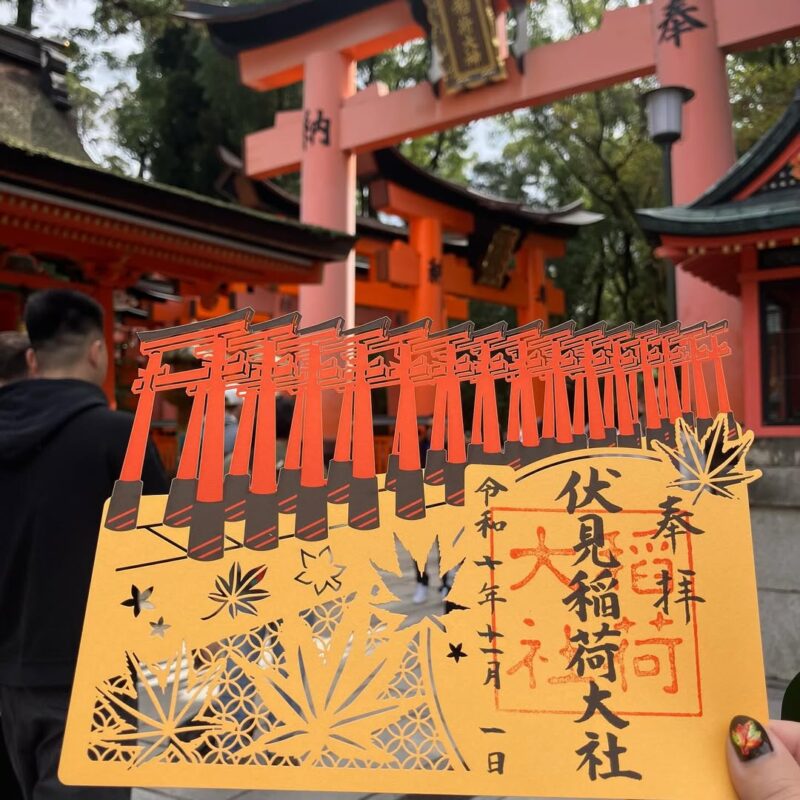
Fushimi Inari Taisha consistently ranks among the most visited shrines in Japan for hatsumode, drawing the largest number of worshippers in Kyoto during the New Year period. One of its famous traditions is the Saisenbiraki, in which the shrine counts the New Year’s monetary offerings—an event that symbolizes its deep connection with prosperity and good fortune. Known for blessings such as bountiful harvests and business success, the shrine has long been cherished not only by tourists but also by locals who come to pray for thriving work and stable livelihoods.
According to shrine tradition, Fushimi Inari Taisha traces its origins back to 711, when Hata no Irogu enshrined the deity of Inari on the three peaks of Mount Inari. Today, the grounds are known for the iconic Senbon Torii, a mesmerizing path of thousands of vermilion gates, as well as mountain trails that allow visitors to explore the sacred landscape. As the center of centuries-old Inari worship, the shrine continues to attract people seeking spiritual connection and good fortune.
On New Year’s Day at 6 a.m., the Saitan-sai is held—a ceremony in which worshippers express gratitude for safely welcoming the new year and pray for national peace and personal well-being. After the ritual at the main hall, priests visit the auxiliary shrines within the precincts, followed by New Year’s greetings in the administrative hall.
If you’re hoping to experience the unique traditions of Fushimi Inari Taisha and immerse yourself in its sacred atmosphere, a New Year visit here is truly unforgettable.
| Hours | Hours vary during the New Year period. Please check the official website for the latest schedule. |
| Address | 68 Fukakusa Yabunouchi-cho, Fushimi-ku, Kyoto |
| Access | ・Hotel Gracery Kyoto Sanjo: Walk to Sanjo Station. Take the Keihan Line and get off at Fushimi-Inari Station. The shrine is about a 5-min walk from the station. ・Hotel Tavinos Kyoto: Walk to Kiyomizu-Gojo Station. Take the Keihan Line and get off at Fushimi-Inari Station. The shrine is about a 5-min walk from the station. |
| URL | https://inari.jp/en/ |
A One-of-a-Kind New Year’s Experience: “Okera-mairi” at Yasaka Shrine
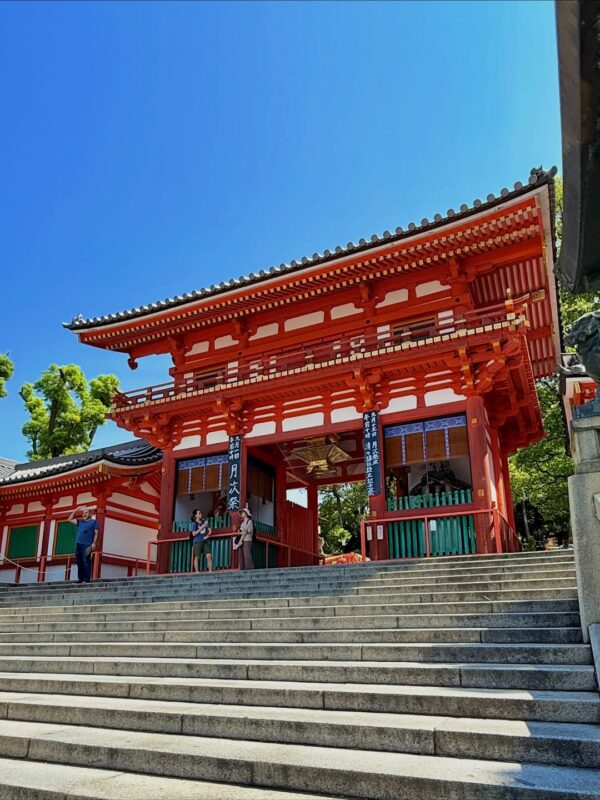
Located in the heart of Kyoto’s Gion district, Yasaka Shrine becomes vibrant with a series of special events throughout the New Year period. Among them, the most famous is Okera-mairi, held on New Year’s Eve. This long-standing winter tradition begins at 7 p.m. with the Joya-sai (New Year’s Eve festival), followed by the lighting of sacred fire in lanterns using okera—a medicinal herb—and wooden prayer sticks inscribed with personal wishes.
From around 7:30 p.m. until early New Year’s morning, the shrine is filled with worshippers who come to carry the sacred flame home on twisted straw ropes called himonawa. These ropes, once lit with the holy fire, are believed to serve as protective charms against household fires and are traditionally placed in the kitchen for good fortune.
The celebrations continue on New Year’s Day with the Okera-sai, and on January 3, the shrine hosts the Hatsuno Hono, a ceremonial Noh performance on the shrine stage. Pieces such as Okina and other dances from the Kongō and Kanze schools create a dignified atmosphere befitting the start of the year. In the afternoon, the Karuta Hajime Ceremony takes place—an elegant reenactment linked to Susanoo-no-Mikoto and classical Japanese poetry, featuring children and “karuta princesses” dressed in Heian-period attire performing scenes from the Hyakunin Isshu.
From New Year’s Eve through the first three days of January, Yasaka Shrine offers a rich lineup of traditional events. It is the perfect place to experience Kyoto’s refined and festive spirit as you welcome the new year.
| Hours | Open 24 hours Office hours: 9:00–17:00 |
| Address | 625 Gionmachi Kitagawa, Higashiyama-ku, Kyoto |
| Access | ・Hotel Gracery Kyoto Sanjo: Walk to Sanjo Station. Take the Keihan Line and get off at Gion-Shijo Station. The shrine is about a 5-min walk from the station. ・Hotel Tavinos Kyoto: Walk to Kiyomizu-Gojo Station. Take the Keihan Line and get off at Gion-Shijo Station. The shrine is about a 5-min walk from the station. |
| URL | https://www.yasaka-jinja.or.jp/en/ |
Base of this trip

Hotel Tavinos Kyoto
3-min walk from Shimizu-Gojo station on the Keihan line/7-min walk from Gojo Station on the Karasuma line/10-min walk from Kyoto-Kawaramachi Station on the Hankyu Kyoto line

Hotel Gracery Kyoto Sanjo
5-min walk from Kyotoshiyakushomae station on the Tozai line